
Cultural Importance of Gold: History, Symbolism, and Value
Table of Contents
- Why Gold Holds Universal Significance Across Cultures
- The History of Gold as Currency and Economic Foundation
- Spiritual and Religious Dimensions of Gold
- Symbolism of Gold in Jewelry and Personal Adornment
- Gold’s Role in Ceremonies, Festivals, and Cultural Identity
- Gold vs Bitcoin Investment: Modern Perspectives on Precious Metals
- The Psychology and Modern Ethics of Gold Consumption
Last Updated: August 22, 2026
Why Gold Holds Universal Significance Across Cultures
Gold’s cultural importance transcends geography, economics, and time. From ancient Egypt to modern investment portfolios, this precious metal embodies prosperity, spirituality, status, and cultural identity across civilizations. At My Gold Book, we’ve examined how gold’s role in human society reveals profound truths about what we value and why.
Gold’s significance stems from practical and psychological factors. Its rarity, durability, and inherent beauty resonate across cultures. Unlike materials valued for industrial demand, gold maintains prestige through sheer human desire. The metal doesn’t tarnish, corrode, or lose luster over centuries, a quality ancient peoples interpreted as divine permanence. Religious institutions, royal families, and communities have treasured gold for millennia, marking life’s most significant moments with gold adornments. Understanding this deeper significance transforms how we view gold, moving beyond spreadsheets into the realm of human meaning.
The History of Gold as Currency and Economic Foundation
Approximately 5,000 years ago, ancient civilizations recognized that gold could serve as a medium of exchange (peer-reviewed research). Its scarcity meant a small amount held substantial purchasing power. A merchant could carry significant wealth in a pouch of gold coins, something impossible with grain or livestock.
The Roman Empire standardized gold coinage with the aureus, enabling trade across vast distances. A merchant in Britain could trade using the same gold standard as one in Egypt. During the Middle Ages and Renaissance, European kingdoms competed fiercely for gold supplies, driving exploration and conquest. The Spanish conquistadors’ obsession with Aztec gold wealth illustrates how deeply the precious metal was embedded in cultural consciousness.
The gold standard, formally adopted by many nations in the 19th century, cemented gold’s role as economic foundation (federalreserve.gov). Governments backed their currencies with physical gold reserves, making the metal the ultimate guarantee of financial stability. This system persisted until the 1970s, when the United States abandoned the gold standard. Yet central banks worldwide maintain substantial gold reserves today, testament to gold’s enduring role in economic security.
Spiritual and Religious Dimensions of Gold
Across nearly every major religion, gold occupies sacred space. The cultural importance of gold in spiritual contexts reveals something fundamental: we associate the incorruptible with the divine.
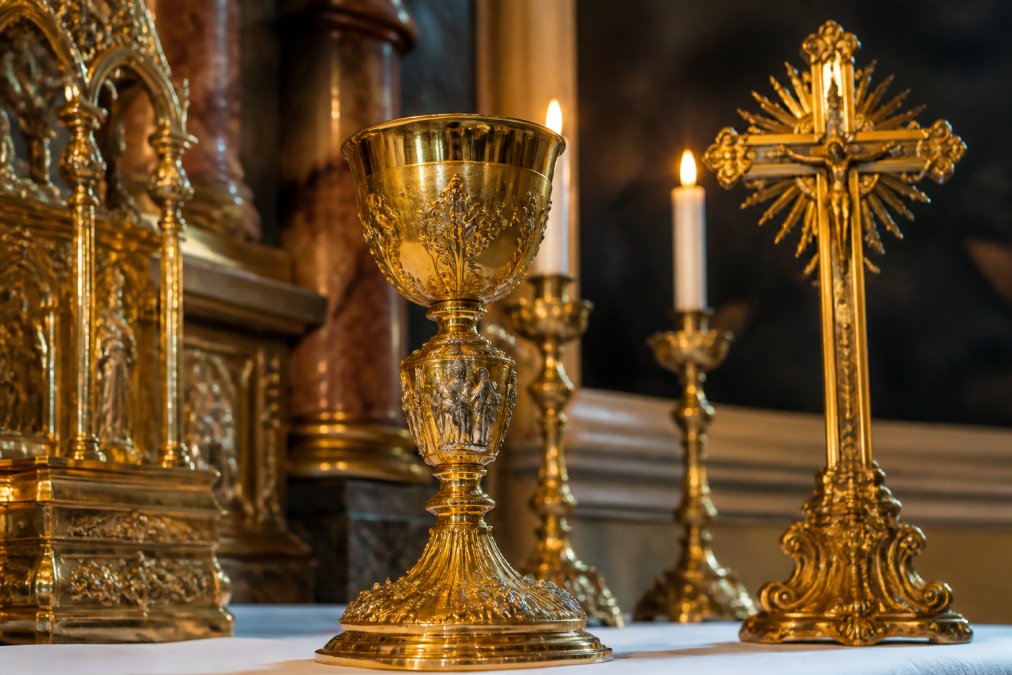
In Christianity, gold appears throughout scripture as a symbol of divine presence. The three wise men brought gold to the infant Jesus, specifically chosen to honor divinity. Christian churches worldwide feature gold-adorned altars, crucifixes, and religious vessels. Gold’s incorruptibility mirrors the eternal nature of God.
Islamic tradition also elevates gold’s spiritual significance. While Islamic law historically restricted gold use for men in daily life, the religion reserved gold for sacred contexts. The Kaaba in Mecca features gold-trimmed elements, and Islamic art incorporates gold leaf in manuscripts and architectural details.
Hindu and Buddhist traditions embrace gold as a conductor of divine energy. In Hindu ceremonies, gold ornaments are believed to enhance spiritual vibrations and connect the wearer to higher consciousness. Buddhist temples feature gold-leaf applications on statues of Buddha and sacred architecture. Across religions, gold represents the immaterial made material, the closest earthly equivalent to the eternal and unchanging.
Gold’s spiritual significance across religions stems from its incorruptibility and rarity, making it the earthly material closest to divine permanence. This symbolism has shaped cultural practices for thousands of years.
Symbolism of Gold in Jewelry and Personal Adornment
Gold jewelry represents one of humanity’s oldest forms of self-expression. Archaeological evidence shows humans have adorned themselves with gold for at least 6,000 years (peer-reviewed research). The symbolism operates on multiple levels: it signals wealth, conveys cultural identity, marks social status, and expresses personal meaning.
In nearly every culture, gold jewelry communicates prosperity. A woman wearing gold signals that her family has achieved economic stability. In societies without credit reports, visible gold wealth served as proof of reliability and resources. Gold jewelry also marks life transitions, engagement rings, wedding bands, anniversary gifts, and heirloom pieces create tangible links across generations. A woman wearing her grandmother’s gold bracelet carries that ancestor’s presence into daily life.
Different cultures have developed distinct gold jewelry traditions carrying specific meanings. In many South Asian cultures, gold jewelry is standard bridal wear representing prosperity and good fortune in marriage. The weight and design can indicate regional origin, family status, and personal taste. Gold jewelry also reflects personal achievement, a gold watch marks a career milestone, gold cufflinks signal professional success. These adornments function as badges of accomplishment, visible reminders of what the wearer has earned.
:::pro
Gold jewelry’s cultural significance increases with personalization. A generic gold bracelet signals wealth; a piece with family history, custom design, or personal meaning becomes irreplaceable. This distinction explains why heirloom gold pieces often matter more than new ones of equal monetary value.
:::
Gold’s Role in Ceremonies, Festivals, and Cultural Identity
Gold transforms ordinary ceremonies into sacred moments. Its presence elevates events, signaling that what’s happening matters. The cultural importance of gold in ceremonies reveals how material objects shape human meaning-making.
Click Here To Order Your Copy →

Wedding ceremonies across cultures feature gold prominently. In Christian traditions, gold wedding bands represent unbroken commitment. In Hindu ceremonies, gold ornaments are essential ritual elements believed to bring blessings to the marriage. Religious festivals incorporate gold to signal importance. During Diwali, Hindu families exchange gold gifts and wear gold jewelry to celebrate the victory of light over darkness. Gold’s role in funerary practices underscores its connection to the eternal, many cultures place gold objects in tombs, believing the precious metal will accompany the deceased into the afterlife.
Gold jewelry marks personal milestones: births, coming-of-age celebrations, and anniversaries. Each piece becomes a material record of significant life moments. Festival celebrations demonstrate how gold strengthens cultural identity. Wearing traditional gold jewelry during cultural festivals connects individuals to their heritage. For diaspora communities, traditional gold jewelry worn during celebrations maintains cultural connection across geographic distance.
Gold vs Bitcoin Investment: Modern Perspectives on Precious Metals
The emergence of Bitcoin and digital assets has forced a reconsideration of gold’s investment role. Gold’s value rests on millennia of human consensus and tangible scarcity. You can hold gold in your hand. Its supply is limited by geological reality. Bitcoin exists only as digital information secured by cryptographic algorithms, with value depending entirely on network consensus.
Gold offers stability that Bitcoin cannot match. Over the past 50 years, gold has served as a reliable inflation hedge. During economic uncertainty, investors historically move toward gold because its track record spans centuries. Bitcoin has existed for less than two decades, with long-term behavior during multi-generational economic cycles remaining unknown.
Bitcoin offers advantages gold cannot provide. Cryptocurrency enables instant global transfers without intermediaries. Bitcoin’s supply is mathematically capped at 21 million units, creating programmatic scarcity. For investors concerned about currency debasement, Bitcoin’s fixed supply offers theoretical protection that even gold cannot guarantee.
The cultural importance of gold gives it advantages in uncertain times. When governments collapse, currencies fail, or digital systems malfunction, gold retains value. People have trusted gold for 5,000 years. During the 2008 financial crisis, investors fled to gold. During recent cryptocurrency crashes, Bitcoin holders experienced devastating losses that gold investors largely avoided.
A sophisticated investor might hold both. Gold provides stability and historical validation. Bitcoin offers technological innovation and potential appreciation. The decision ultimately depends on your confidence in digital infrastructure, risk tolerance, and time horizon.
The gold vs Bitcoin investment comparison often ignores transaction costs and storage challenges. Physical gold requires secure storage and insurance. Bitcoin requires digital security expertise and depends on functioning internet infrastructure. Neither is truly “free” to maintain.
The Psychology and Modern Ethics of Gold Consumption
Gold’s psychological appeal operates at levels most investors never consciously examine. The metal triggers emotional responses transcending rational economic analysis. Gold’s visual properties create immediate psychological impact. The color itself, warm, luminous, distinct from all other metals, triggers associations with value and divinity. Holding a gold coin or wearing gold jewelry generates a sense of security and accomplishment beyond monetary value.
Modern ethics of gold consumption present genuine tensions. Gold mining causes environmental damage and labor exploitation in some regions. Consumers increasingly question whether purchasing gold perpetuates these harms. Responsible gold consumption has emerged as a growing movement. Fair-trade gold certification, recycled gold, and ethical sourcing practices offer alternatives to conventionally mined gold. Some consumers choose vintage or heirloom gold specifically to avoid supporting current mining operations.
The psychology of gold consumption also reflects deeper anxieties about economic stability. During periods of inflation or currency instability, gold purchases increase sharply. People purchase gold for psychological reassurance, owning it creates a sense of control during uncertain times. Modern consumers face a choice: embrace gold’s cultural significance while accepting ethical complexities, or seek alternatives.
If gold’s cultural and psychological significance appeals to you, consider recycled or vintage gold as an ethical alternative. Recycled gold carries the same physical properties and cultural meaning as newly mined gold while avoiding current environmental and labor concerns. This approach honors gold’s significance while addressing modern ethical concerns.
Frequently Asked Questions
What does gold symbolize in different cultures?
Gold represents prosperity, divine energy, and status across civilizations. In Western traditions, it symbolizes wealth and achievement. In many Asian cultures, gold embodies good fortune and auspicious blessings. Religious traditions view gold as sacred material connected to the divine. The symbolism of gold in jewelry reflects personal identity, family heritage, and cultural belonging. This universal resonance explains why gold remains central to weddings, religious ceremonies, and significant life events worldwide.
Why has gold been historically significant as a store of value?
Gold's rarity, durability, and universal acceptance made it the foundation for currency systems across ancient civilizations. Unlike paper money, gold maintains intrinsic value independent of government backing. Historically, gold standards anchored economic stability and controlled inflation. Today, investors view gold as a hedge against economic uncertainty and currency devaluation. Its role as a precious metal with consistent market demand ensures that gold accumulation functions as wealth preservation across generations, making it a reliable store of value compared to assets subject to technological obsolescence.
What is the spiritual significance of gold in various traditions?
Gold holds sacred meaning across religious and spiritual traditions. In Christianity, gold represents God's glory and appears throughout biblical history as an offering material. Islamic tradition values gold as a blessed metal used in religious adornment. Hindu spirituality connects gold to prosperity and divine blessings during rituals and festivals. Buddhist temples incorporate gold as a symbol of enlightenment and spiritual purity. Many indigenous and ancient traditions viewed gold as a conduit for divine energy and protection. This cross-cultural spiritual importance reinforces gold's role beyond economics as a material connecting humans to transcendent meaning.
How does the cultural importance of gold influence investment decisions today?
Cultural demand drives significant gold market activity globally. Families preserve gold jewelry as heirlooms, creating consistent demand independent of investment trends. Wedding traditions, religious ceremonies, and festival celebrations generate recurring purchases. Understanding gold's cultural heritage helps investors recognize that demand extends beyond financial speculation. Unlike Bitcoin or digital assets, gold's cultural roots provide stability rooted in millennia of human civilization. This cultural foundation means gold investment benefits from both economic factors and deep-seated traditions, offering diversification beyond purely financial considerations in a portfolio strategy.
This article was written using GrandRanker