
How to Start Collecting Gold Coins: A Complete Guide
Table of Contents
- Why Collecting Gold Coins Is Worth Your Time
- Numismatic vs Bullion Coins: Which Type Is Right for You?
- Best Gold Coins for Investment Beginners
- How to Grade Gold Coins and Why Certification Matters
- Gold Coin Storage Best Practices to Protect Your Collection
- Taxes, Counterfeits, and Liquidation: What Most Guides Skip When Collecting Gold Coins
- Common Mistakes Beginners Make and How to Avoid Them
- Conclusion
Last Updated: August 7, 2026
Why Collecting Gold Coins Is Worth Your Time
Gold has fascinated human civilization for thousands of years. Collecting gold coins sits at the intersection of tangible asset ownership, historical appreciation, and genuine financial diversification, a combination few other investments can claim.
Gold is a precious metal with intrinsic value independent of any government’s promise or company’s earnings. Unlike stocks or bonds, a gold coin cannot go to zero. Many gold coins carry historical significance, were minted by sovereign governments, or produced in limited quantities that make them genuinely rare. A coin that carries both its weight in gold and a compelling story is worth more than either element alone.
The hobby is surprisingly accessible. You do not need a massive starting budget to build a meaningful collection. Below, we will cover exactly how to do that, from choosing your first coin to protecting it, understanding its tax implications, and eventually liquidating it if you choose.
IRS guidance on precious metals as collectibles
Numismatic vs Bullion Coins: Which Type Is Right for You?
The most important decision every new collector faces is whether to focus on numismatic coins, bullion coins, or a combination of both.
Numismatic coins are valued primarily for their rarity, historical significance, condition, and collector demand. Their price often far exceeds the melt value of the gold they contain.
Bullion coins are valued primarily for their gold content. Their price tracks closely with the spot price of gold, the current market price per troy ounce, plus a dealer markup.
What Drives Numismatic Value
Numismatic value is driven by four overlapping factors: rarity, condition, demand, and provenance. A coin minted in a low-production year, preserved in near-perfect condition, and tied to a historically significant event commands a premium unrelated to its gold purity or weight.
Grading services like the Professional Coin Grading Service (PCGS) and Numismatic Guaranty Company (NGC) assign standardized grades, from Poor (P-1) to Perfect Mint State (MS-70), that the entire market recognizes. A coin graded MS-65 can be worth multiples of the same coin graded MS-60. Condition is everything in numismatics.
The challenge for beginners: numismatic value is harder to verify and easier to misrepresent. You need specialized knowledge or trusted third-party certification before paying a numismatic premium.
What Drives Bullion Value
Bullion value is anchored to the spot price of gold, expressed in troy ounces (one troy ounce equals approximately 31.1 grams). A one-ounce gold bullion coin at 99.9% purity will sell for the spot price plus a dealer markup, typically ranging from a small percentage above spot for common coins to a higher premium for coins in lower supply.
The appeal of bullion is transparency and liquidity. You always know roughly what your coin is worth because gold spot prices are publicly available and update in real time. For most beginners, bullion is the smarter starting point. Build your understanding of the market first, then layer in numismatic pieces as your expertise grows.
Best Gold Coins for Investment Beginners
The best gold coins for investment beginners are government-issued sovereign coins with recognized purity and high liquidity in the secondary market.
Here are the most commonly recommended starting points:
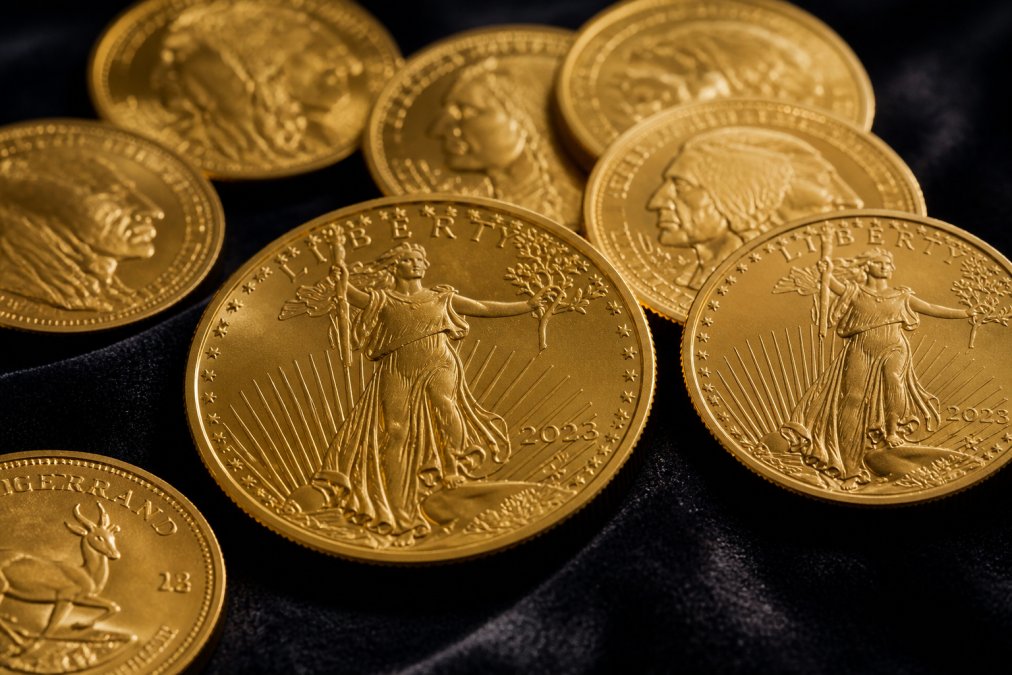
- American Gold Eagle, Issued by the U.S. Mint, available in 1 oz, 1/2 oz, 1/4 oz, and 1/10 oz sizes. Contains 91.67% gold (22-karat) with the remainder in silver and copper for durability. The most recognizable gold coin in the U.S. market.
- American Gold Buffalo, Also from the U.S. Mint, struck in 24-karat gold at 99.99% purity. Introduced in 2006 and popular with collectors who prefer higher purity.
- Canadian Gold Maple Leaf, Produced by the Royal Canadian Mint at 99.99% purity. Globally recognized and highly liquid.
- South African Krugerrand, One of the oldest and most widely traded gold bullion coins in the world. Contains one troy ounce of gold at 22-karat purity.
- British Gold Sovereign, Smaller fractional coin with deep historical roots. Popular among collectors interested in the numismatic and bullion crossover.
| Coin | Purity | Issuer | Best For |
|---|---|---|---|
| American Gold Eagle | 22-karat (91.67%) | U.S. Mint | U.S. market beginners |
| American Gold Buffalo | 24-karat (99.99%) | U.S. Mint | High-purity preference |
| Canadian Maple Leaf | 24-karat (99.99%) | Royal Canadian Mint | Global liquidity |
| Krugerrand | 22-karat (91.67%) | South African Mint | Historical collectors |
| British Gold Sovereign | 22-karat (91.67%) | Royal Mint (UK) | Fractional investing |
Start with one or two coins you understand well. Diversifying too early, before you have a grasp of grading and dealer relationships, is a trap many beginners fall into.
The American Gold Eagle is the single most practical first coin for a U.S.-based collector. Dealers everywhere recognize it, the U.S. Mint backs its gold content, and the secondary market is deep enough that you will never struggle to find a buyer.
How to Grade Gold Coins and Why Certification Matters
Grading gold coins is the process of evaluating a coin’s physical condition using a standardized 70-point scale, where higher numbers indicate fewer marks, better luster, and sharper strike detail. Understanding grading is non-negotiable if you plan to buy anything beyond basic bullion.
The Sheldon scale runs from P-1 (barely identifiable) to MS-70 (perfect uncirculated). For investment-grade collecting, most buyers focus on coins graded MS-60 and above.
The two dominant grading services in the U.S. are PCGS and NGC. Both encapsulate graded coins in tamper-evident plastic holders called slabs, which display the grade, coin details, and a certification number you can verify online. A slabbed coin from either service is far easier to buy, sell, and price accurately than a raw (ungraded) coin.
Grading involves both condition assessment and authentication. PCGS and NGC experts examine coins for signs of cleaning, artificial toning, or counterfeiting before assigning a grade. A certified coin is authenticated, not just graded. That distinction matters enormously when spending serious money.
According to the Professional Coin Grading Service’s grading standards, the difference between an MS-64 and MS-65 grade can represent a significant price jump for key-date coins, making professional certification worth the cost for anything beyond common bullion.
Never pay a numismatic premium for a raw, uncertified coin unless you have years of hands-on grading experience. The certification fee is cheap insurance.
Gold Coin Storage Best Practices to Protect Your Collection
Proper storage is where many collectors cut corners. Gold is chemically stable, but physical damage, environmental exposure, and theft are real risks that require a deliberate storage strategy.
At-home storage options:
Click Here To Order Your Copy →
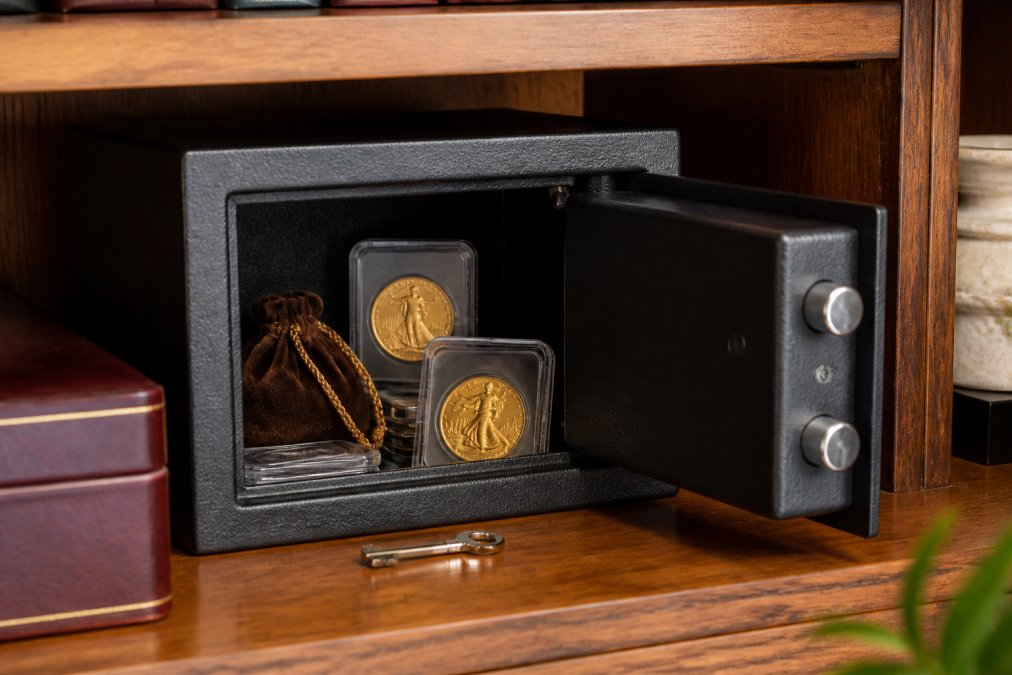
- A quality home safe, bolted to the floor or wall, rated for both fire and theft resistance
- Individual coin holders: hard plastic flips, capsules, or certified slabs for already-graded coins
- Velvet-lined coin trays or boxes for organized display within the safe
Bank safe deposit boxes offer an alternative for collectors who prefer off-site storage. They protect against home theft and fire, though they are not insured by the FDIC and access is limited to bank hours.
What to avoid:
- PVC-containing soft plastic holders, which off-gas chemicals that can damage coin surfaces
- Storing coins loose in a drawer or container where they contact each other
- Excessive handling without cotton gloves, as skin oils leave permanent marks on uncirculated surfaces
For collectors with significant collection value, a standalone precious metals insurance policy is worth investigating. Standard homeowner’s insurance policies often cap coverage for coins and collectibles at amounts well short of a serious collection’s worth.
The two biggest storage mistakes are using PVC holders and underinsuring. Both are easy to fix before they become problems. Buy archival-quality holders from the start and check your homeowner’s policy limits before your collection grows.
Taxes, Counterfeits, and Liquidation: What Most Guides Skip When Collecting Gold Coins
Collecting gold coins is genuinely rewarding, but there are three practical realities that will affect your experience and finances if you ignore them.
Capital Gains Tax on Gold Coin Sales
The IRS classifies gold coins as collectibles, not as standard investment assets. Under current U.S. tax law, long-term capital gains on collectibles are taxed at a maximum rate of 28%, compared to lower rates that apply to most stock and bond gains.
This applies whether you sell to a dealer, at auction, or to a private buyer. If you sell a coin for more than you paid for it, the profit is a taxable capital gain. Short-term gains (coins held less than one year) are taxed at your ordinary income rate.
Keep meticulous records of every purchase: the date acquired, the price paid, the dealer name, and any certification costs. These records establish your cost basis and protect you if the IRS questions a transaction. The IRS Publication 550 on investment income and expenses covers collectible capital gains treatment in detail.
Spotting Counterfeits Before You Buy
Counterfeit gold coins are a genuine problem, particularly for coins bought outside established dealer networks. The most common fakes are tungsten-core coins plated with gold.
A few practical detection methods for beginners:
- Buy certified coins. PCGS- or NGC-slabbed coins have already been authenticated by professionals.
- Use a reputable dealer. Members of the American Numismatic Association (ANA) or the Professional Numismatists Guild (PNG) are held to ethical standards.
- Sigma Metalytics or XRF testing. These handheld devices measure metal composition non-destructively. Many coin shops offer testing for a small fee.
- Dimensional checks. Genuine coins have precise specifications for diameter, thickness, and weight. A digital scale accurate to 0.01 grams and a quality caliper catch most crude fakes.
- Avoid deals that seem too good. A coin priced significantly below spot price is almost always a red flag.
Liquidation Strategies and Digital Tracking
Most collectors think carefully about buying and almost not at all about selling. Your main liquidation channels are:
- Local coin dealers: Fast and convenient, but expect to sell at or slightly below spot for bullion
- Online dealer buyback programs: Many established dealers buy back coins at posted prices; compare several before committing
- Auction houses: Best for high-value numismatic pieces where competitive bidding can maximize price
- Peer-to-peer platforms: Higher potential prices but more counterparty risk; use only established, verified platforms
A simple spreadsheet logging each coin’s purchase date, price, grade, certification number, and current estimated value is the minimum. Several dedicated numismatic inventory apps let you track your collection against live spot prices, generate insurance valuations, and document provenance with photos. This record-keeping pays off at tax time and when you eventually sell.
Common Mistakes Beginners Make and How to Avoid Them
The biggest mistake is paying a numismatic premium without the knowledge to justify it. A beginner who buys an expensive "rare" coin from an unverified source, without certification, is taking a risk that experienced collectors would never accept. Start with certified bullion coins and learn the grading system before venturing into numismatics.
The second most common mistake is skipping the research phase entirely. The Red Book, officially titled A Guide Book of United States Coins by R.S. Yeoman, is the standard annual reference for U.S. coin values. Understanding mintage figures, key dates, and historical context makes you a far more informed buyer.
A few other patterns worth avoiding:
- Overconcentrating in one coin type. Diversification within your collection spreads both risk and interest.
- Ignoring dealer reputation. Verify membership in the ANA or PNG before making significant purchases.
- Treating every coin as an investment. Some coins you will buy because they are beautiful or historically interesting. Just be honest about which coins are financial assets and which are passion purchases.
- Neglecting insurance. A collection worth several thousand dollars sitting in an uninsured home safe is an unnecessary risk.
- Setting no budget. Gold can be addictive to collect. Set a monthly or annual acquisition budget before you start and stick to it.
The My Gold Book guide GOLD: The Most Precious of Metals by Douglas Ginter covers the broader context that makes these decisions easier, including how gold’s supply and demand dynamics, its role in economic history, and its comparison to modern assets all inform what kind of collector or investor you want to be.
Starting a gold coin collection is genuinely rewarding, but the gap between a good collection and a poor one usually comes down to education. Most beginners underestimate how much the right foundational knowledge changes their decisions, from which coins to buy first, to how to store them, to what happens when it is time to sell. GOLD: The Most Precious of Metals by Douglas Ginter, available through My Gold Book, provides that foundation in a balanced, accessible format that does not assume prior expertise in precious metals or investing. Click Here To Order Your Copy and start your collection with the clarity that most guides never give you.
Frequently Asked Questions
What are the best gold coins for a beginner to collect?
Beginners do well starting with widely recognized sovereign coins like the American Gold Eagle, American Buffalo, or Canadian Maple Leaf. These coins carry guaranteed purity, strong liquidity, and are easy to authenticate. They trade close to spot price with a modest dealer markup, making them straightforward to buy and sell. Once you understand how bullion coins work, you can branch into proof coins or older numismatic pieces with more confidence.
Is it better to collect gold coins for numismatic value or bullion value?
It depends on your goal. Bullion coins track the spot price of gold per troy ounce, making them simpler to value and more liquid. Numismatic coins carry collectible value tied to rarity, condition, and provenance, which can far exceed their intrinsic metal value but also requires deeper expertise. Most beginners start with bullion for stability, then add numismatic pieces selectively after learning grading standards and how to identify reputable dealers.
Do I need to pay taxes on gold coin sales in the U.S.?
Yes. The IRS classifies gold coins as collectibles. Gains from coins held longer than one year are taxed at a maximum federal rate of 28%, higher than the standard long-term capital gains rate for stocks. Short-term gains are taxed as ordinary income. You are responsible for reporting these on your federal return. Keep detailed purchase records, including date, price paid, and dealer information, so you can accurately calculate your cost basis when you sell.
How do I determine the value of a gold coin?
Start with the coin's weight in troy ounces and multiply by the current spot price to find its intrinsic value. Then factor in purity (karat or fineness), condition, and whether the coin carries numismatic premium. Coins graded and slabbed by a recognized grading service like PCGS or NGC carry certified grades that influence market value. For older or rarer coins, reference price guides and recent auction results to understand what collectors are actually paying.
How should I store my gold coin collection?
Store coins in a home safe bolted to the structure, or in a bank safe deposit box for high-value pieces. Use individual coin capsules or inert plastic slabs to prevent contact damage, and avoid touching surfaces with bare hands. Control humidity and temperature to prevent toning. For insurance purposes, document your collection with photos, purchase receipts, and grading certificates. A homeowner's or renter's insurance rider specifically covering precious metals is worth adding once your collection grows.
Is it worth starting a coin collection in 2026?
Gold coins serve two purposes simultaneously: they hold intrinsic value tied to precious metals and can appreciate as collectibles. For investors, gold has historically acted as a hedge against inflation and market volatility. For hobbyists, the historical and numismatic depth of collecting gold coins adds a layer of satisfaction beyond financial return. Starting with a clear budget and a specific focus, such as sovereign coins or a particular mint era, makes the hobby manageable and rewarding from the beginning.
This article was written using GrandRanker