
Gold Coins vs Gold Bars: Which Suits Your Portfolio?
Last Updated: October 23, 2026
Quick Summary
Gold coins versus gold bars both offer legitimate physical gold investment, but bars typically carry lower premiums of 1-5% per ounce due to simpler manufacturing, while coins command higher premiums of 5-15% but offer superior divisibility and global resale recognition. Your choice depends on whether you prioritize lowest entry cost or maximum flexibility to sell portions incrementally.
- Gold bars cost less per ounce to buy but are harder to sell in partial amounts
- Investment-grade coins like American Gold Eagles and Canadian Maple Leafs trade globally with tight spreads
- A 100-ounce bar costs roughly $20 per ounce above spot versus $120 for a 1-ounce coin at illustrative prices
- Storage costs less for bars due to space efficiency, but coins fit home safes better
- Round-trip costs including buyback spreads matter more than purchase premium alone
Table of Contents
- Gold Coins Versus Gold Bars: Side-by-Side Comparison
- Understanding Gold Bar Premiums and Manufacturing Costs
- Purity, Fineness, and Gold Content Standards
- Best Gold Coins for Investment: Recognition and Resale Value
- How to Buy Gold Bullion: Coins, Bars, and Dealer Selection
- Gold Bullion Storage and Security: Protecting Your Investment
- Liquidity, Divisibility, and Selling Your Gold
- Tax Reporting and Ownership Considerations
- Frequently Asked Questions
Gold Coins Versus Gold Bars: Side-by-Side Comparison
The choice between gold coins versus gold bars hinges on your goals, budget, and how you plan to buy and sell. Both are legitimate physical gold investments, but they differ in cost, flexibility, and practical ownership.
The core tension: gold bars typically cost less per ounce due to lower manufacturing expenses, while gold coins often command higher premiums but offer greater flexibility in smaller denominations and stronger market recognition.
Quick Comparison Table
| Factor | Gold Coins | Gold Bars | Key Difference |
|---|---|---|---|
| Premium over spot price | Higher (5-15%) | Lower (1-5%) | Coins cost more per ounce |
| Divisibility | Excellent (1 oz units) | Limited (varies by size) | Coins easier to sell partially |
| Resale ease | High (recognized globally) | Moderate (requires scale) | Coins sell faster in smaller amounts |
| Storage efficiency | Lower (takes more space) | Higher (compact ingots) | Bars more space-efficient |
| Entry cost | Flexible | Flexible | Both accommodate various budgets |
| Purity options | 99.99% standard | 99.99% standard | Functionally equivalent |
The real cost difference emerges at scale. A single ounce of gold costs roughly the same whether you buy it as a coin or bar, but larger purchases shift the advantage toward bars due to lower premiums.
Understanding Gold Bar Premiums and Manufacturing Costs
Gold bars usually carry lower premiums than coins because their production is simpler and more scalable: casting or stamping a blank, applying weight and purity marks, and bulk shipping.
The premium above spot reflects refining and fabrication, logistics, dealer markup, and any collectible or recognition premium. For bars, the all-in premium commonly falls in the low single digits for larger weights and rises toward coin-like levels for small bars.
Why size changes the math
Premium is not linear with weight. Fabrication and handling costs spread over more ounces as bars get larger, so premium per ounce falls as bar size rises. A 1-ounce bar and a 1-ounce coin are close in production complexity; a 100-ounce bar is not.
The example below uses illustrative round numbers; replace them with live dealer quotes before you buy.
| Product (example) | Spot (per oz) | Premium | Purchase price per oz | Cost above spot per oz |
|---|---|---|---|---|
| 1 oz gold coin | $2,000 | 6% | $2,120 | $120 |
| 1 oz gold bar | $2,000 | 3% | $2,060 | $60 |
| 10 oz gold bar | $2,000 | 2% | $2,040 | $40 |
| 100 oz gold bar | $2,000 | 1% | $2,020 | $20 |
At these numbers, buying 10 ounces as ten 1-ounce coins costs about $600 more than one 10-ounce bar, and about $1,000 more than a 100-ounce bar would cost per 10 ounces. That gap is the price of divisibility and recognition, weigh it against the flexibility you expect to need.
The other half of the equation: buyback spreads
Premium is only the entry cost. Your realized result also depends on the buyback spread, the difference between what a dealer charges you to buy and what the same dealer pays when you sell.
Using the same illustrative spot of $2,000 per ounce:
| Product (example) | Purchase price per oz | Dealer buyback per oz | Round-trip cost per oz |
|---|---|---|---|
| 1 oz gold coin | $2,120 | $1,980 | $140 |
| 1 oz gold bar | $2,060 | $1,940 | $120 |
| 10 oz gold bar | $2,040 | $1,930 | $110 |
| 100 oz gold bar | $2,020 | $1,920 | $100 |
Two lessons follow. First, the lowest purchase premium does not automatically produce the lowest round-trip cost; the buyback side matters just as much. Second, spreads widen for less liquid products and larger units fewer dealers want to hold, so always ask for both the buy and sell price before you commit.
Total ownership cost, not just premium
Premium and spread are transaction costs. Ownership adds storage, insurance, and possibly vaulting fees, which scale with value and space. A large bar is cheaper per ounce to buy and more space-efficient to store, but harder to sell in part. A stack of 1-ounce coins costs more to buy but can be stored in a home safe and sold a few pieces at a time.
Build a simple round-trip worksheet before buying: purchase price per ounce, dealer buyback per ounce, expected holding period, and annual storage and insurance cost. The product with the lowest total cost across your actual plan, not the lowest sticker premium, is usually the better fit.
For a deeper look at how premiums and spreads interact with the rest of the decision, see a comprehensive guide to how to buy gold bullion.
Purity, Fineness, and Gold Content Standards
Both gold coins and gold bars meet standardized purity requirements. Investment-grade bullion, whether coins or bars, is typically 99.99% pure gold, often marked as “.9999 fineness”, 99.99 grams of pure gold per 100 grams of total weight.
Some coins offer lower purity, 90% or 92.5%, but these are typically collectible or numismatic rather than pure bullion. For investment purposes, stick with .9999 fineness in either format, and verify purity markings on any purchase.
Best Gold Coins for Investment: Recognition and Resale Value
Investment-grade gold coins command higher premiums partly because of global recognition and numismatic potential.
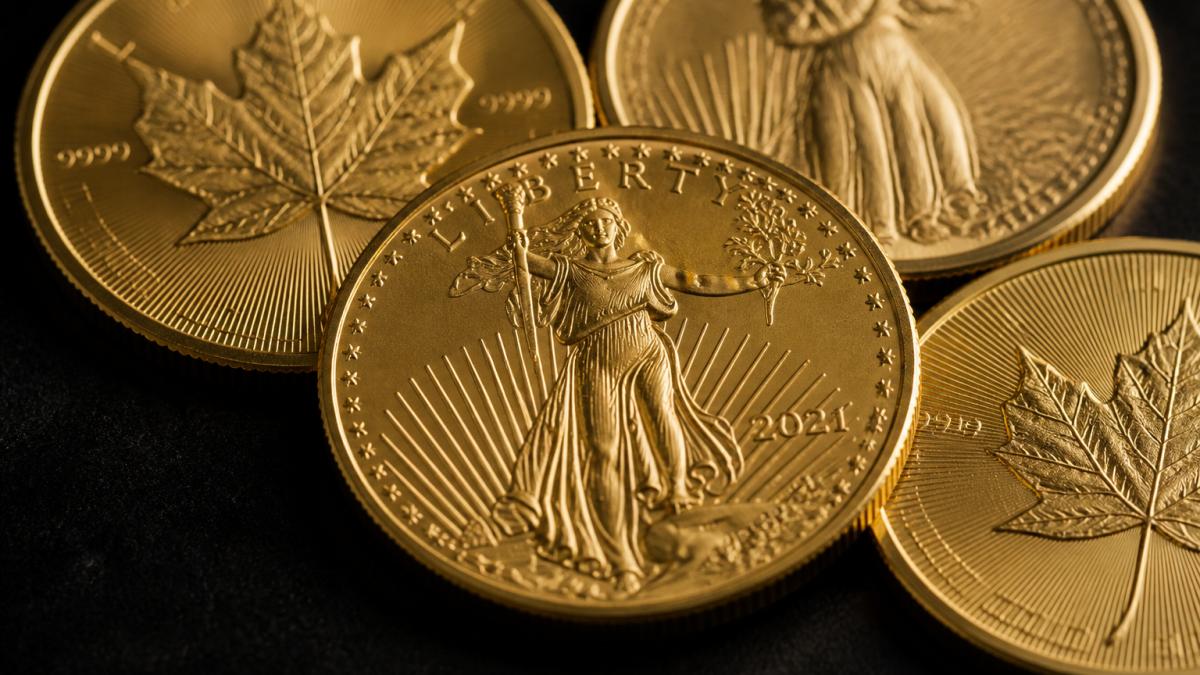
Recognition translates to liquidity. A dealer in any major city will immediately buy a well-known coin at a competitive price.
Numismatic value, the premium collectors pay above gold content, adds another dimension. Rare or limited-mintage coins can appreciate beyond their gold content, but this is a secondary benefit for most investors.
Understanding numismatic value in gold coins helps you distinguish between coins purchased as bullion investments versus collectible coins. For pure bullion strategy, focus on widely minted, high-volume coins where you’re paying primarily for gold content plus a modest premium. A beginner guide to collecting gold coins provides deeper context if you’re curious about the collector angle. A beginner guide to collecting gold coins provides deeper context if you’re curious about the collector angle.
Numismatic premiums are unpredictable and can disappear quickly if collector demand shifts. Buy coins for their gold content, not their collector appeal, unless you have specific expertise in rare coin markets.
How to Buy Gold Bullion: Coins, Bars, and Dealer Selection
Purchasing gold coins versus gold bars involves the same basic process. Start by identifying reputable dealers with transparent pricing, clear weight and purity specifications, and secure shipping.
Compare buy and sell prices carefully. The spread between what dealers pay and what they charge is their margin; wider spreads mean higher costs when you liquidate.
Verify that coins or bars come with proper documentation.
Click Here To Order Your Copy →
For larger purchases, match the format to your strategy. Gold ETFs vs physical gold for beginners explains alternative investment forms alongside coins and bars. If you plan to buy once and hold long-term, bars minimize your cost basis.
Bars work best for investors making one large purchase and holding for years. Coins suit those who might sell portions incrementally or prefer global recognition and resale speed.
Gold Bullion Storage and Security: Protecting Your Investment
How you store physical gold affects your total ownership cost and peace of mind. Home storage offers direct control but requires secure safes, insurance, and personal security.
Many investors use segregated storage through specialized bullion vaults, where your specific coins or bars are held separately and insured. Guidance on how to store gold safely internationally addresses secure storage and cross-border considerations. It costs more upfront but eliminates insurance gaps and provides professional-grade security.
Gold bars occupy less space than equivalent amounts in coins, making them more practical for home storage. Both formats require climate control to prevent oxidation. [Guidance on how to store gold safely internationally addresses secure storage and cross-border considerations.
Liquidity, Divisibility, and Selling Your Gold
Liquidity is how quickly and predictably you can convert gold to cash at a fair price. Coins and bars differ less in whether they are liquid than in how liquid they are at a given size. A 1-ounce coin from a widely recognized series is close to cash for a bullion dealer; a 100-ounce bar is liquid too, but only within a narrower set of buyers and usually at a wider spread.
Why unit size drives resale
Dealers manage inventory risk. A product they can resell quickly and in small pieces ties up less capital and carries less price risk, so they can pay closer to spot.
The practical liquidity ranking usually runs: widely recognized 1-ounce coins first, then small minted bars, then larger bars, then unusual or collectible pieces whose value depends on a specialist buyer.
Partial liquidation: a concrete scenario
Suppose you hold 10 ounces and expect to sell 2 ounces now and the rest later. Compare two ways to hold it, using illustrative round numbers.
| Holding | Units | Sell 2 oz now | Remaining | Notes |
|---|---|---|---|---|
| Ten 1 oz coins | 10 | Sell 2 coins | 8 coins | Clean partial sale; each coin priced on its own |
| One 10 oz bar | 1 | Must sell whole bar or find a buyer for a fraction | 0 or a discounted partial | Partial sale usually means a discount or no sale |
With coins, selling 2 ounces is routine: two coins leave, eight stay, and the dealer quotes each against spot. With a single 10-ounce bar, you must sell the entire bar or find a dealer willing to buy a fraction, which typically means a wider spread or a below-spot offer. If your plan includes selling in stages, that structural difference can cost more than the premium you saved on the bar.
The buy-sell spread is your liquidity cost
The spread between the dealer’s buy and sell price is the price of liquidity. Tighter spreads mean less friction moving in and out. Spreads are tightest for high-volume, widely recognized 1-ounce coins and small minted bars, and wider for large bars and less common products. Ask two or three dealers for both prices on the exact product you hold; the differences often exceed the premium differences between coin and bar products.
Matching your exit plan to your holding
If you may need to sell 10%, 25%, or 50% of your holdings at different times, smaller units give you options a single large bar cannot. If you will hold everything as one position until you sell it all at once, the large bar’s liquidity penalty matters less and its lower premium and tighter storage footprint may win. The right question is not ‘which is more liquid’ in the abstract but ‘which holding lets me sell the amount I actually expect to sell, when I expect to sell it, at the smallest spread.’
Divisibility is a form of insurance against your own uncertainty. If you are not certain you will hold your entire position to a single exit, smaller units usually cost less in spread than they cost in premium.
For the mechanics of comparing dealer quotes and timing a sale, see a comprehensive guide to how to buy gold bullion.
Tax Reporting and Ownership Considerations
Gold bullion ownership carries tax implications that vary by how you hold it and when you sell.
When you sell gold at a profit, you owe capital gains tax on the difference between purchase and sale price.
Reporting requirements differ by purchase method and amount, and certain large purchases trigger IRS reporting. Comprehensive information on gold investment tax considerations provides jurisdiction-specific guidance. Understanding these thresholds helps you plan purchases strategically. [Comprehensive information on gold investment tax considerations provides jurisdiction-specific guidance.
Neither coins nor bars receive preferential tax treatment; the implications are virtually identical.
Comparing gold coins versus gold bars ultimately comes down to investment size, timeline, and liquidity preferences.
My Gold Book’s comprehensive guide explores these decisions in depth, covering the mechanics of gold investing plus the historical context and economic principles behind precious metals as an inflation hedge. Understanding the coin-versus-bar choice is a crucial first step. Order your copy today and gain the research-backed perspective you need to invest with confidence.
Frequently Asked Questions
Is it better to buy gold coins or gold bars as an investment?
The choice depends on your investment size and resale plans. Gold bars typically carry lower premiums over spot price, making them cost-effective for larger purchases. Gold coins offer greater flexibility for partial sales, wider recognition among dealers, and potential collectible value. Beginners often prefer coins for their divisibility and ease of selling small quantities, while investors building substantial positions may favor bars for lower per-ounce costs.
Which usually has lower premiums: gold coins or gold bars?
Gold bars generally have lower premiums than coins because they require less detailed minting and packaging. Coin premiums reflect higher production costs, security features, and market recognition. A one-ounce gold bar might trade at 2-5% above spot price, while comparable coins can carry premiums of 5-15% or more. This premium difference becomes significant when buying larger quantities.
What should beginners consider when buying gold bullion?
Start by understanding spot price (current market value per troy ounce), premiums charged by dealers, and your intended holding period. Decide whether you prioritize lower cost per ounce (favoring bars) or flexibility and recognition (favoring coins). Research reputable dealers, verify purity standards (typically .999 fineness), and plan for secure storage. Consider how much capital you’re willing to invest and whether you may need to sell portions of your holdings.
How can you verify that a gold coin or bar is authentic?
Purchase only from established dealers with verifiable credentials and buyback guarantees. Authentic bullion should have clear minting marks, consistent weight, and proper dimensions. Coins display official mint marks and detailed imagery; bars show refiner stamps and serial numbers. Use a precision scale to verify weight and density. Reputable dealers provide certificates of authenticity. If buying privately, request third-party authentication before completing the transaction.
Are gold coins or gold bars easier to sell?
Gold coins are generally easier to sell in smaller quantities because dealers recognize them instantly and can price them quickly. Bars require the dealer to verify authenticity and weight, which takes slightly longer. For large quantities, bars may be easier because they’re simpler to transport and weigh. Coins offer better divisibility, you can sell one or two without liquidating your entire position, whereas bars often must be sold as complete units.
